
Travel has always been one of the most meaningful ways to connect with the world. It gives people a chance to step out of routine, meet new communities, learn different ways of life, and spend time in places that feel completely different from home. But travel also comes with responsibility. The way we move through forests, mountains, parks, villages, beaches, and wildlife areas has a direct effect on the environment and the people who live there.
That is why responsible travel matters. It is not just a trend or a polished idea for marketing. It is a practical way of traveling that helps protect nature, supports local communities, and makes sure that future travelers can enjoy the same places we enjoy today. In Tanzania, where wildlife, landscapes, and local culture are deeply connected, responsible travel is especially important. Every decision a traveler makes, from where they stay to how close they go to animals, can either reduce harm or add pressure to the environment.
What Responsible Travel Really Means
Responsible travel means making choices that reduce negative impact and create positive value wherever you go. It is about being mindful of nature, culture, wildlife, and the people who host visitors. A responsible traveler does not simply ask, “What can I get from this trip?” They also ask, “How can I visit this place without damaging it?”
This can include many small actions. It may mean using refillable water bottles instead of buying many plastic ones. It may mean staying on marked trails instead of walking through fragile areas. It may mean choosing guides and operators who respect wildlife laws, pay fairly, and work with local communities. It may also mean understanding that not every beautiful place is meant for loud behavior, littering, feeding animals, or crowded overuse.
Responsible travel is not about perfection. No trip is without impact. The goal is to travel in a way that keeps that impact as low as possible while bringing real benefit to the destination.
How Responsible Travel Helps Protect Nature
1. It reduces damage to ecosystems
Nature is delicate in ways that are not always visible at first glance. A single shortcut through grassland can crush plants that took months to grow back. One plastic bottle left behind can be picked up by wildlife or carried by wind and rain into waterways. Loud noise, off-road driving and careless walking can disturb habitats and change how animals feed, rest and move.
Responsible travel lowers this damage. When travelers stay on roads and trails, respect park rules, and avoid leaving waste behind, they help preserve the natural balance of the area. Over time, these small actions matter more than most people realize.
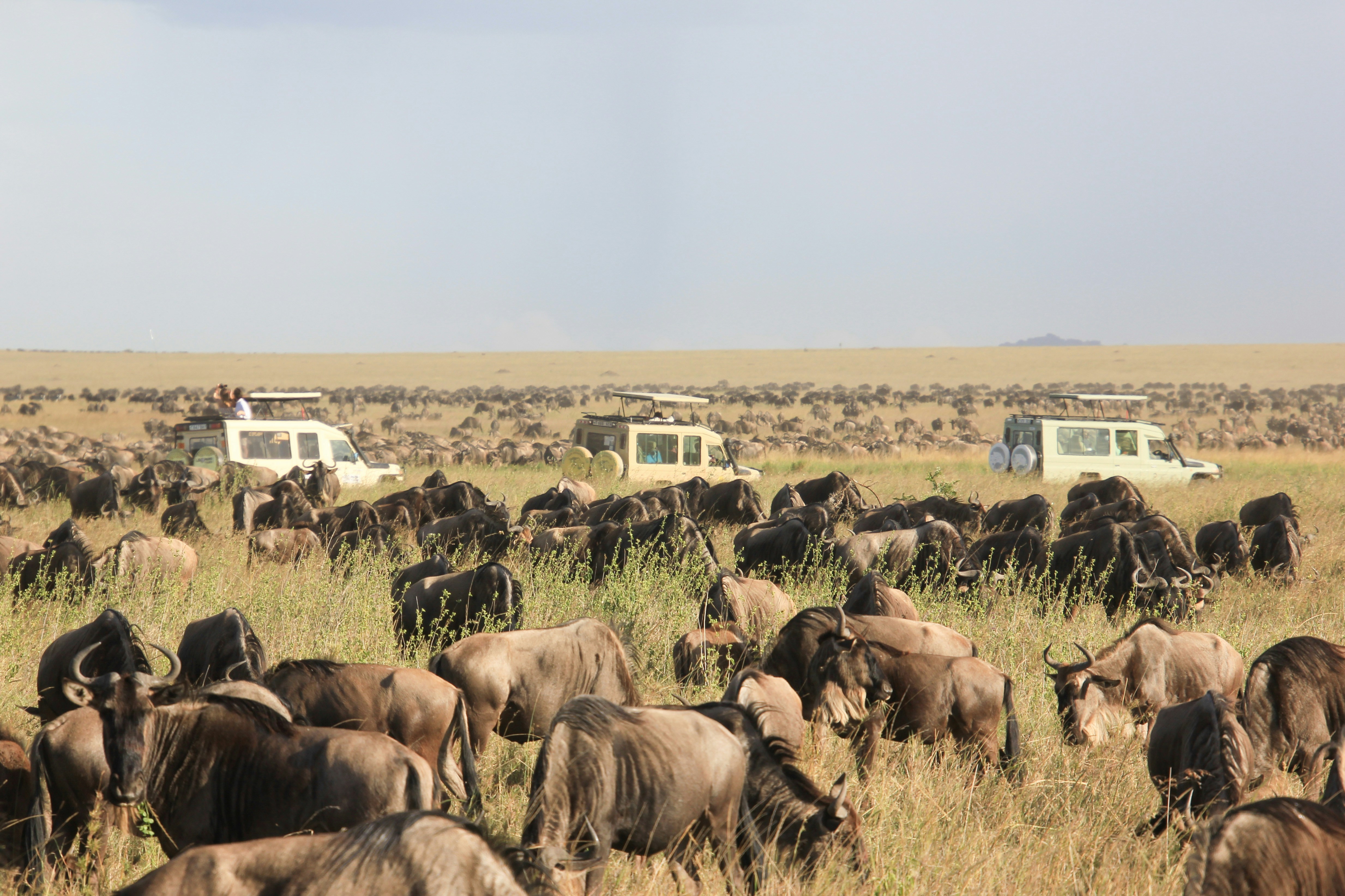
2. It protects wildlife behavior
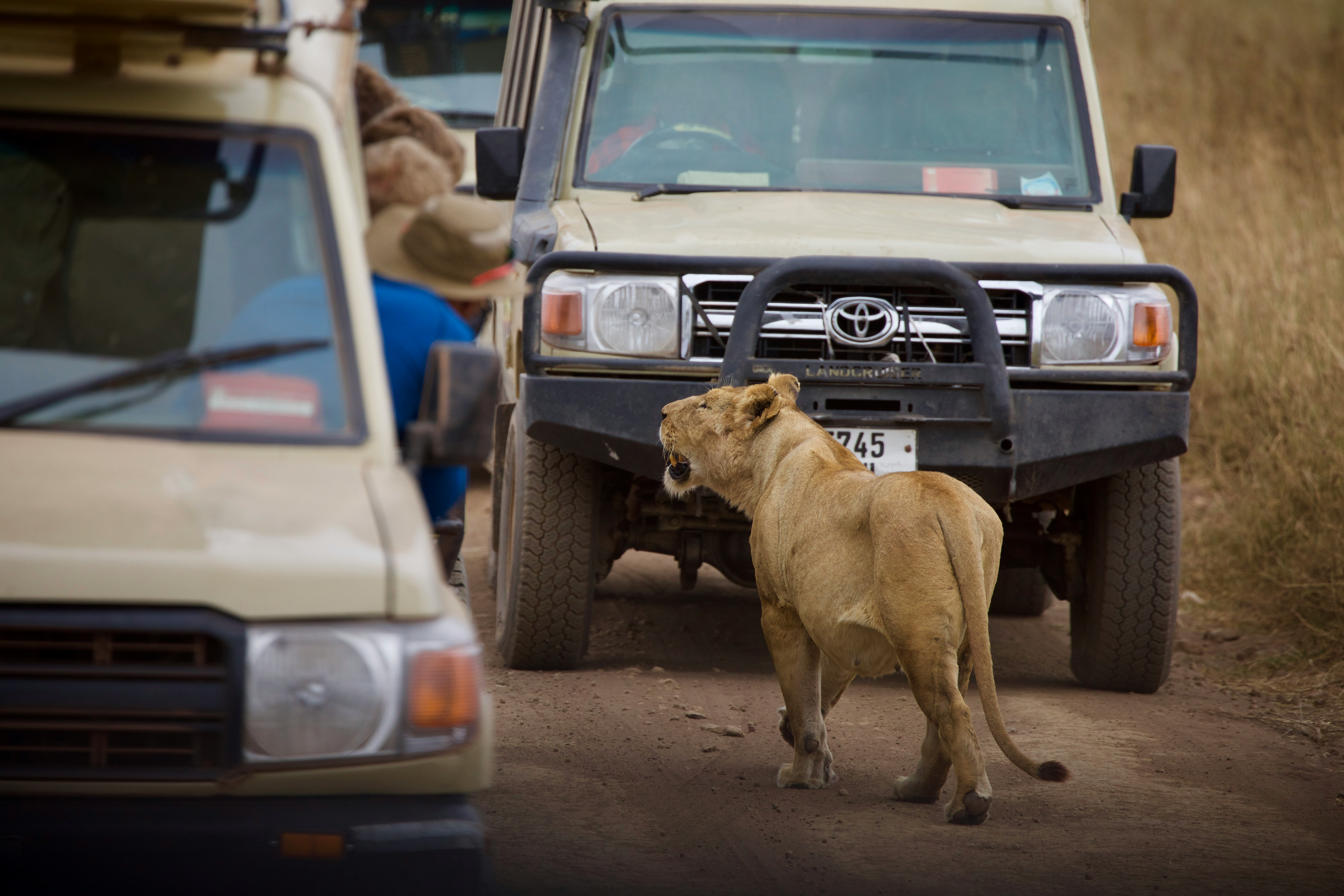
Animals are not meant to perform for humans. They need space, quiet, and safety. When visitors get too close, chase animals for photos, or crowd around sightings, wildlife can become stressed. This stress affects feeding, breeding, and migration patterns.
Responsible travel encourages people to observe wildlife from a respectful distance and let animals move naturally. This matters in places like the Serengeti, Ngorongoro, Tarangire and many other wildlife areas in Tanzania, where the health of the ecosystem depends on animals behaving as naturally as possible. A good safari experience should never come at the expense of the animals being watched.
3. It reduces waste and pollution
Travel can create a lot of waste, especially in busy destinations. Food packaging, single-use plastics, fuel emissions, and water waste all put pressure on local systems. Some places do not have the same waste-management capacity found in larger cities, so even small amounts of trash can create long-term problems.
Responsible travelers help by carrying reusable items, reducing unnecessary plastic, avoiding litter, and choosing businesses that care about waste management. They also reduce pollution by supporting travel operators that maintain vehicles properly, plan efficient routes, and avoid unnecessary fuel use.
4. It supports conservation through spending choices
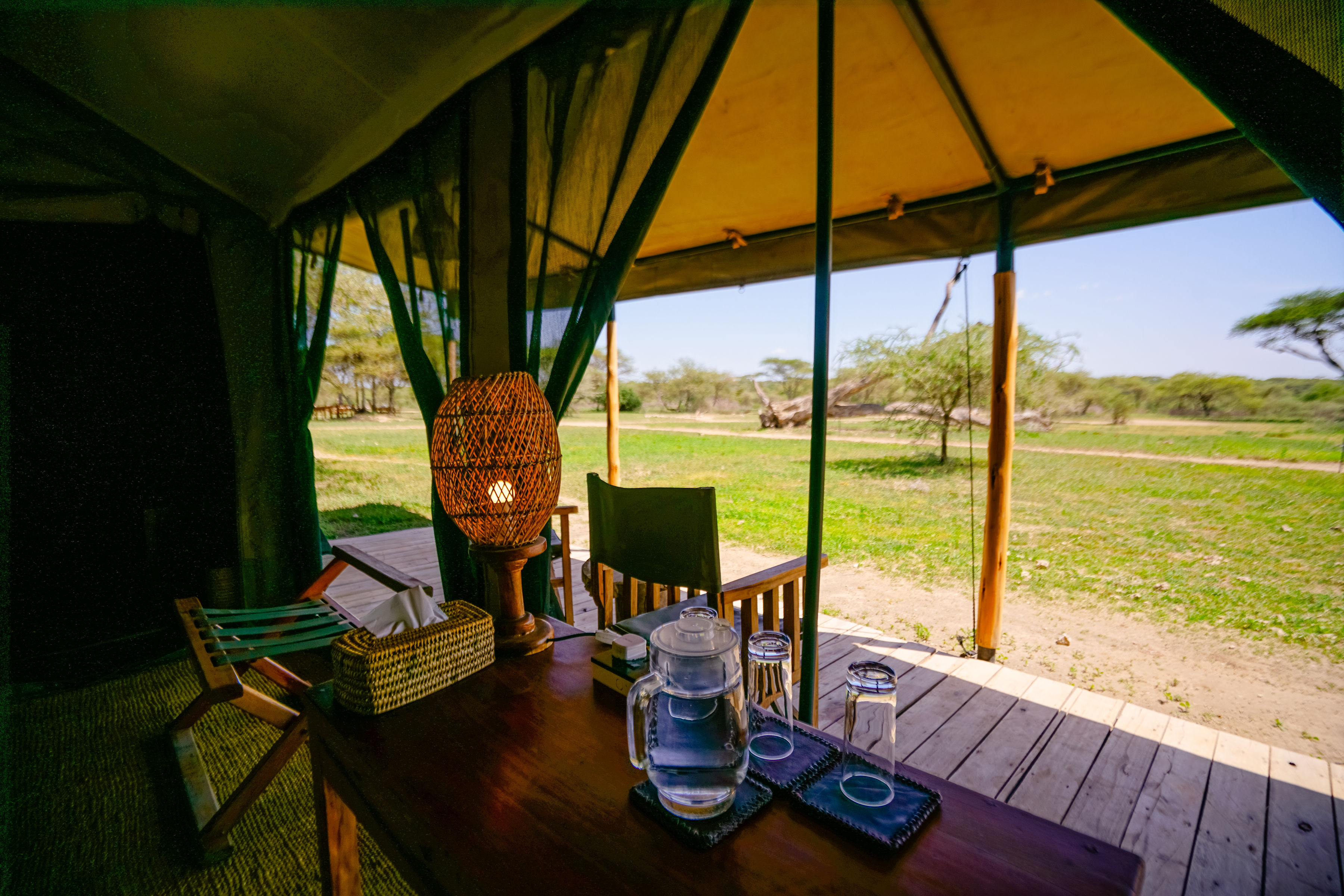
Every payment a traveler makes sends a message. Choosing lodges, camps, guides and tour companies that care about conservation helps fund better practices. Many responsible businesses re-invest in local conservation, employ local people and support protection of wildlife habitats.
This means tourism can become part of the solution instead of part of the problem. When travelers support responsible operators, they help make it possible for local communities to benefit from protecting nature rather than destroying it.
5. It helps communities value natural spaces
Nature is easier to protect when local communities see direct value in it. Responsible travel creates that value by bringing income to local people, supporting jobs and encouraging respect for the land and wildlife around them. When communities benefit from tourism, conservation becomes more practical and more meaningful.
This is one of the strongest reasons responsible travel matters. It builds a connection between visitor behavior, local livelihoods, and nature protection. The result is a healthier relationship between people and the places they share.
Simple Responsible Travel Tips Every Visitor Can Follow
Respect wildlife distances
Even when an animal seems calm, it should not be approached too closely. Wildlife should always come first. Good safari guides know how to read animal behavior and position vehicles safely. Travelers should listen to their guide, keep voices low, and never ask to move closer just for a better photo.
Carry reusable items
A refillable bottle, reusable shopping bag and reusable container can greatly reduce waste. These items are easy to carry and helpful throughout the trip. They also reduce the number of single-use plastics entering the environment.
Stay on marked paths
Whether you are on a nature walk, hiking trail or lodge pathway, use the routes that are already set. Straying from paths can damage plants, disturb soil, and cause erosion. In some places, it may also put you in danger.
Choose responsible accommodation and safari operators
Look for businesses that follow park rules, hire locally, reduce waste and show respect for the land and the people living there. A responsible operator is usually clear about how they handle conservation, guest behavior, and community support.
Do not feed animals
Feeding wildlife changes natural behavior and creates dependence. It can also make animals aggressive or unhealthy. Even a small snack shared with an animal can cause a bigger problem later.
Use water carefully
In many travel destinations, water is valuable and not unlimited. Responsible travelers use it wisely by keeping showers short, not wasting water while brushing teeth, and supporting businesses that treat water as a serious resource.
Learn before you travel
Understanding local customs, conservation rules, and environmental concerns helps you travel better. A traveler who knows the rules is less likely to make mistakes and more likely to have a respectful, rewarding experience.
Why This Matters Especially in Tanzania
Tanzania is one of the most remarkable travel destinations in Africa because it offers a rare mix of wildlife, open landscapes, mountains, forests, beaches, and living cultural heritage. This also means the country’s natural spaces need careful protection. National parks, conservation areas, and community lands are not endless. They can be harmed by overcrowding, careless behavior, waste, and unplanned tourism.
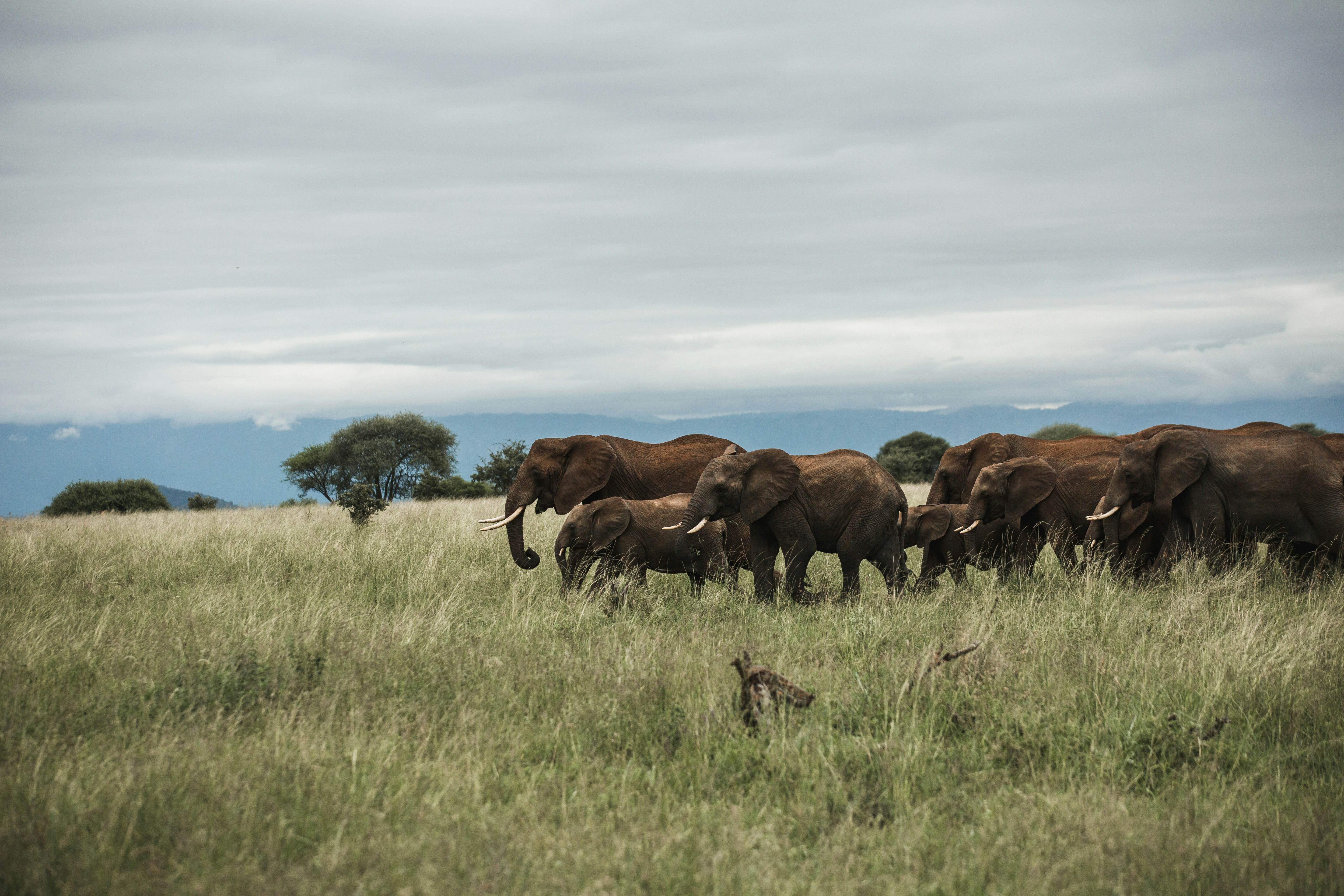
Responsible travel helps preserve places like Serengeti, Ngorongoro, Tarangire, Lake Manyara, Ruaha, and other destinations that depend on healthy ecosystems. It also supports the people who live near these areas, to depend on tourism for income, education and development. When travelers act responsibly, they help keep Tanzania’s natural heritage alive and healthy for the long term.
The Role of Safari Companies in Responsible Travel
Safari companies play a major part in shaping how travelers behave. A good company does more than move guests from one place to another. It teaches, guides and protects. It sets the tone for respectful travel.
At Elevated Tanzania Safaris, this means helping guests understand park rules, encouraging careful wildlife viewing, supporting local communities, and promoting travel that respects both nature and culture. A safari should never feel rushed, careless, or disconnected from the environment. It should feel thoughtful, well-guided, and rooted in respect.
When a safari company leads with responsibility, travelers are more likely to follow. And when travelers follow, the destination benefits.
Responsible Travel Is Good for the Traveler Too
Responsible travel makes the experience better. It creates deeper connection, fewer regrets and more meaningful memories. When you travel carefully, you notice more, you listen better and you understand the destination more fully.
Responsible travel is one of the simplest and most effective ways to protect nature. It does not require perfection or complicated rules. It begins with small decisions made with awareness and respect. Every choice matters, from how you pack to how you watch wildlife and to who you book your safari with.
In a country like Tanzania, that kind of travel is not just helpful. It is necessary for travelers who choose responsibility, who help keep natural places cleaner, quieter, safer and more sustainable. They support conservation, local communities and the future of tourism itself.
At Elevated Tanzania Safaris, responsible travel is more than a nice message. It is part of how travel should work. When travelers follow simple and thoughtful habits, they help protect the places they came to see. They create a better experience for themselves, because travel feels richer when it is done with care, respect and purpose.
OUR COMMITTMENT TOWARDS YOUR JOURNEY
If you are planning a safari in Tanzania and you want an experience that respects wildlife, supports local communities and keeps nature at the heart of the journey, Elevated Tanzania Safaris is ready to guide you. Explore Tanzania with a team that values responsible travel, meaningful experiences and honest care for the places you visit. Book your safari with Elevated Tanzania Safaris and travel the right way.