
Serengeti National Park
A UNESCO World Heritage Site of vast plains where the Great Migration crosses seasonally—wildebeest, zebra, and predators in one of Africa’s most iconic landscapes.
Where Is Serengeti Located?
Situated in the northern region of Tanzania, the golden plains of Serengeti National Park stretch for almost 15,000 square kilometres. The park is located completely in the northeastern part of the Simiyu region and the eastern Mara region.
The landscapes of the Serengeti Ecosystem are extremely varied. They range from savannahs and open grasslands to hilly woodlands and riverine forests. This diversity is because of the extreme weather conditions, in particular the combination of heat and wind.
The habitats of the Serengeti are believed to have originated from a series of volcanoes. The volcanic activity helped shape the features of the ecosystem by adding craters and mountains to the surroundings.
The Mara River flows through the Kenyan highlands to Lake Victoria, where terrific migration crossings happen. This is the only river in the ecosystem that flows permanently, and it plays a key role in many Serengeti Safari Tours.
The Serengeti's diverse ecosystem is home to hundreds of native and non-native plant species spread across its vast landscape.
Over 300 species of plants are recorded in Serengeti.
15 alien species of plant are distributed throughout the park as well.
Acacia trees and sausage trees are the two plants that Serengeti is famous for. When you’re out on game drives in the vast savannahs, you’ll be able to see them right from your safari vehicle.
Woodlands are commonly found in the northern region of Serengeti, as this section is covered by hills.
Lush savannahs with some acacia trees, make up the surroundings of the Western Corridor. The Grumeti River also makes its way through these surroundings.
Birdwatching Experience in Serengeti
Even if you’re not into birds now, a Serengeti birdwatching experience might change that. With over 500 bird species, the park is a true haven for birders.
Highlights include:
Secretary bird
Kori bustard
Green and yellow Fischer’s lovebird
The Serengeti-Mara ecosystem is home to five endemic species found nowhere else on Earth.
For the best birdwatching experience, visit between November and April, during nesting season.
Migratory birds from Europe and North Africa are also present during this time.
Want a more extensive birding trip? Combine your Serengeti Trip with a visit to Lake Manyara.
Welcome to Serengeti National Park
The word Serengeti means endless plains in the Maa language (Maasai), and people who live around the Serengeti national park. The park is covered with grassland plains and in the middle of it offers views of distant landscapes (plains). When on safari the only feeling you can get is the typical African wilderness experience. Serengeti is an Award-winning, best national park for an African safari. The park upgraded from a game reserve (big game hunting ground) to a National park in the year 1951 (the first national park in Tanzania), and is located in northern Tanzania and extends to southwestern Kenya.
Serengeti national park covers an area of 5,700 square miles (14,763 square km) and is normally referred to as the great grassland range in Africa as well as vachellia woodland. The park extends 100 miles (160 km) southeast from the shores of Lake Victoria and, in its eastern part 100 miles (160 km) south of the Kenya - Tanzania border. The Serengeti-Mara ecosystem encompasses several protected areas like the Serengeti national park, the Mara national reserve in Kenya, and a number of game reserves and conservation areas (Ngorongoro) that surround the area.
Serengeti National Park
Map
Area : 14,763 sq. km. (5,700 sq. miles)
Established in : 1951
Designated as a UNESCO World Heritage Site in : 1981
Coordinates : 2.3333° S, 34.8333° E
Opening Hours : 6 am to 6 pm (open every day)
Entrance Fees : For Adults: $70. For Children (between the ages of 5 to 15): $20.
Serengeti Safari Regions Explained
The Serengeti ecosystem combines sweeping grasslands, river corridors, kopjes, and seasonal wetlands—each zone concentrates wildlife differently through the year.
The Seronera Region
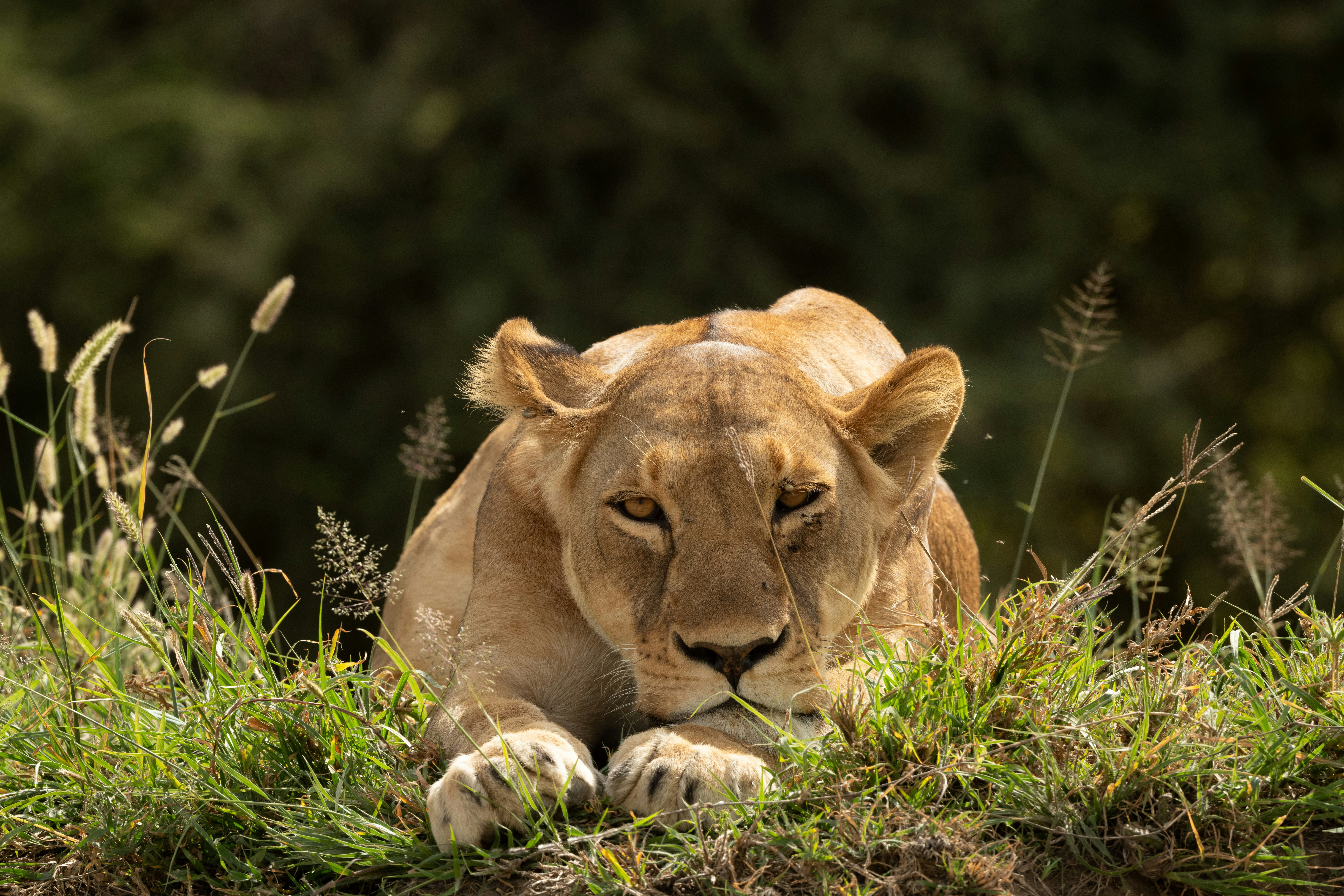
Central Seronera is a hub for predator sightings year-round and anchors wet-season herds when plains turn lush.
Ndutu Plains
Southeast calving grounds from roughly December–March: predator drama around newborn wildebeest.
Western Corridor
The Grumeti–Mbalageti corridor stages migrating herds roughly May–July—dramatic riverine crossings and thick woodland elephants.
Northern Serengeti & Mara periphery
Open woodland hills toward Kenya deliver Mara River crossings in roughly August–October and quieter motor circuits outside peak congestion.
Lobo & remote northern plains
Fewer vehicles and rolling vistas reward travellers looping north outside crossing frenzy timing.
For granular photographic itineraries with lodging pacing and aviation hops, refine routing with your guide according to rainfall.
What Is the Great Migration in Serengeti?
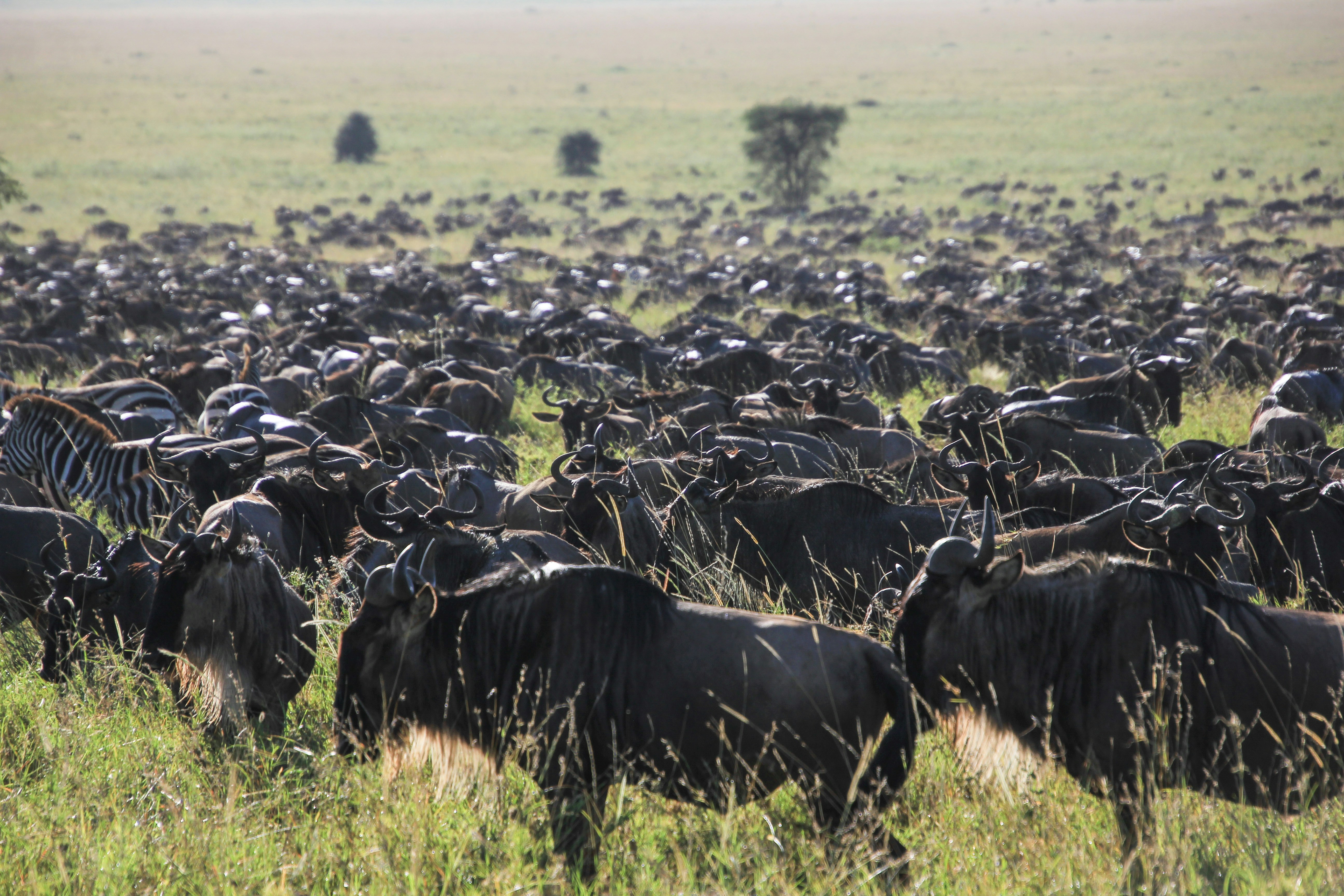
The Serengeti–Mara migration moves roughly two million wildebeest and hundreds of thousands of zebra and gazelles in a rainfall-driven oval through Tanzania and Kenya.
Why it happens
Herds chase green-up after rains: short-grass plains in the southeast offer safer calving; depleted pastures push columns west and north toward perennial water.
Annual rhythm (typical)
December–April: Herds mass on southern/Ndutu short grasses—prime calving and predator chaos.
May–July: Columns stretch through the Western Corridor; Grumeti crossings.
August–October: Northern segments and Mara River fords; some animals remain on the Tanzanian Mara sector.
October–November: Push south again toward fresh rains on the plains.
Exact timing shifts yearly—design itineraries with guide buffers, not single-date bets.
Key Facts About Serengeti National Park
Vast unfenced wilderness spanning Tanzania’s northern Mara/Simiyu sectors linked ecologically with Kenya’s Maasai Mara.
Hundreds of mammal species—lion, leopard, cheetah, elephant, buffalo—plus massive congregations during migration pulses.
Bird diversity exceeding 500 species including endemic specials tied to woodland-grassland mosaics.
World Heritage recognition safeguards pastoral interfaces where regulated grazing overlaps conservation zoning.
Activities concentrate on daylight game drives; balloons operate dawn pockets subject to wind clearance.
Reserve realistic pacing—cover fewer hubs deeply rather than racing distant gates daily.
Plan this region
Share dates and travel style — we'll match camps, pacing, and park order to Serengeti National Park.
Start planning